
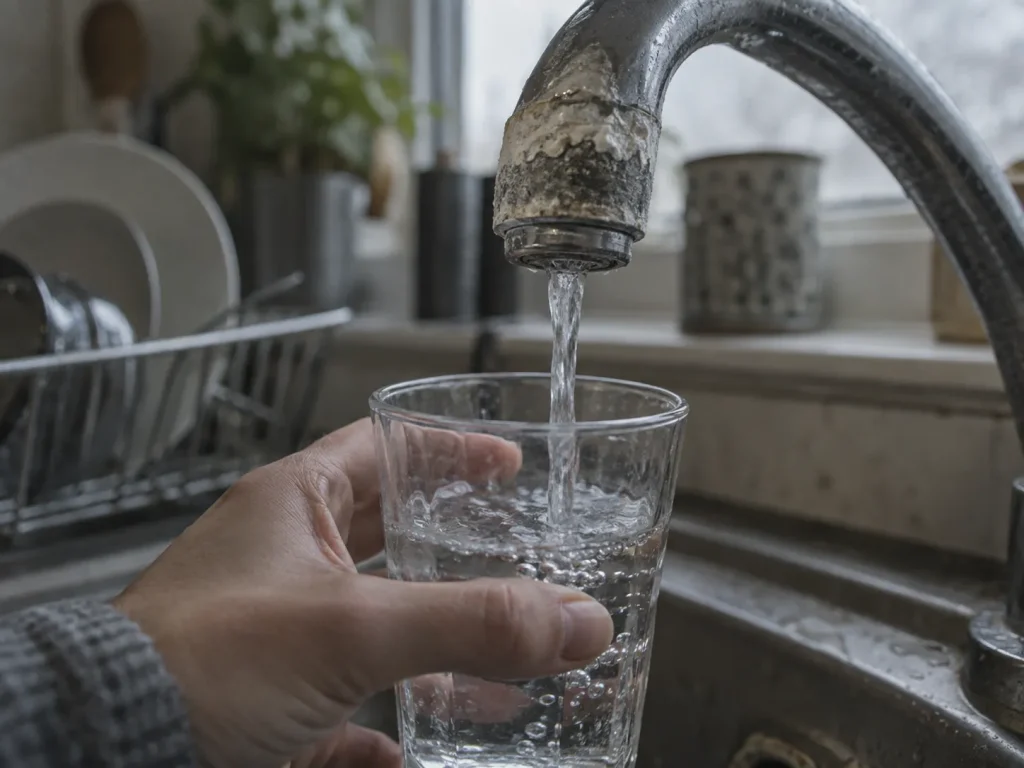
Black Diamond runs mostly on groundwater wells rather than the soft surface-reservoir water that supplies much of Seattle, and that difference shows up over time as mineral scale inside your dishwasher and washing machine. Regional testing suggests most of the area’s groundwater is soft to moderately hard rather than extreme, but hardness varies well to well, so the real question isn’t “is King County’s water hard” so much as “is your specific home’s water hard enough to be aging your appliances early.” Here’s what that buildup actually does, how to spot it, and what’s worth doing about it.
Key Takeaways
- Black Diamond draws mostly from groundwater in the South King County groundwater management area; regional USGS testing shows most local groundwater is soft to moderately hard, but exact hardness varies well to well.
- Hard water doesn’t break appliances outright. It builds mineral scale on heating elements, spray arms, and valves, which gradually reduces efficiency and shortens the appliance’s working life.
- A “scale spiral” makes the problem compound: buildup makes the appliance work harder and run hotter, which deposits scale even faster.
- Low-cost habits (rinse aid, occasional descaling) manage day-to-day symptoms; a whole-home softener addresses the root cause, but only makes sense once an actual hardness test confirms it’s needed.
In This Article
Is Black Diamond’s Water Actually Hard?
Black Diamond sits within the South King County groundwater management area, part of the Green-Duwamish River Watershed, where most of the water supply comes from wells rather than the mountain-reservoir surface water that feeds much of Seattle proper. USGS testing across east King County has found that the large majority of groundwater samples come back soft to moderately hard, with a median dissolved-solids concentration around 115 milligrams per liter, though some wells, particularly where the local geology includes limestone or dolomite, test considerably harder. That range matters: it means there’s no single honest answer for “Black Diamond’s water hardness” without knowing which specific well or neighborhood you’re on. Your utility’s annual water quality report is the most reliable source for the municipal supply’s actual number.
How Hard Water Damages Dishwashers and Washing Machines
Hard water carries dissolved minerals, mostly calcium and magnesium, that don’t stay dissolved forever. As water heats and evaporates inside an appliance, those minerals precipitate out as scale: a chalky buildup that coats heating elements, narrows spray arm openings, and clogs valves. In a dishwasher, that buildup restricts water flow and makes it harder for the unit to reach and hold its target temperature, which shows up as cloudy glassware and a gradual drop in cleaning performance. In a washing machine, scale accumulates in lines, pumps, and other moving parts, and clothes can come out stiffer or duller as mineral residue works its way into the fabric along with the detergent.
The damage compounds over time through what’s sometimes called a scale spiral: buildup reduces efficiency, so the appliance runs longer and hotter to finish the same cycle, and that extra heat causes scale to deposit even faster. Left unaddressed, this is a real lifespan issue, not just a cosmetic one; industry water-treatment research has found that softened water can meaningfully extend a dishwasher’s useful life compared to consistently hard water.
💧Signs Your Appliance Is Fighting Hard Water
Cloudy spots or film on glasses and dishes, even right out of a completed dishwasher cycle.
White or chalky residue around the dishwasher door gasket, detergent dispenser, or spray arm.
Clothes coming out stiff, dingy, or scratchy from the washing machine despite normal detergent use.
Longer cycle times, more noise, or the unit running hotter than it used to for the same setting.
These symptoms point toward hard water, but they can also come from an unrelated mechanical issue. A technician can tell the difference by checking the actual wear pattern.
Quick Fixes vs. a Whole-Home Softener
Not every home with moderately hard water needs a whole-house system. It’s worth weighing the low-effort habits against the bigger investment before deciding which makes sense for your situation.
| Day-to-Day Habits | Whole-Home Softener | |
|---|---|---|
| What it is | Rinse aid, monthly dishwasher descaling, correct detergent dosing | A system installed on your main water line that treats every fixture and appliance |
| What it addresses | Day-to-day symptoms like spotting and film | The root mineral cause, house-wide |
| Upfront cost | Low; a few dollars a month in supplies | Meaningful upfront equipment and installation cost |
| Ongoing cost | Minimal | Periodic salt or media replacement and maintenance |
| Best fit | Soft to moderately hard water, or as a first step before investing further | Confirmed hard to very hard water, or appliances already showing scale damage |
Costs vary by household size, water hardness, and equipment choice; treat this as a general comparison, not a quote.
Testing Your Own Water
Since hardness varies by specific well and even by season, the regional averages above are a starting point, not a diagnosis for your home. A simple test strip from a hardware store gives a rough reading in minutes, your water utility’s annual water quality report lists the tested numbers for your municipal supply, and a professional water test gives the most complete picture, including other minerals that affect scale formation. Testing first means you’re not guessing about whether a softener is worth the investment.
How Complete Repair LLC Can Help
If your dishwasher or washing machine is already showing signs of scale buildup, we can look at the actual wear, confirm whether hard water is the driver, and give you a clear recommendation on whether a repair, a cleaning routine, or a bigger fix like a softener makes sense for your situation.
Seeing spots, film, or scale buildup and not sure what’s causing it?
Get a QuoteFrequently Asked Questions
Does Black Diamond have hard water?
Regional groundwater testing in east King County, where Black Diamond sources most of its water, shows most samples come back soft to moderately hard, but hardness varies well to well. Your utility’s annual water quality report, or a simple test strip at your own tap, gives you the real answer for your specific home.
Can hard water actually break my dishwasher or washing machine?
It doesn’t break them outright, but mineral scale buildup on heating elements, spray arms, and valves reduces efficiency and shortens their working life over time. Softened water has been shown to meaningfully extend a dishwasher’s useful lifespan.
Will a water softener void my appliance warranty?
Softened water isn’t something major appliance manufacturers warn against, and some recommend it in hard-water areas. Check your specific appliance’s manual if you want to confirm before installing one.
How do I know if I need a whole-home softener or just better habits?
Test your water first. Moderately hard readings can often be managed with rinse aid and regular descaling, while consistently hard to very hard results are where a whole-home softener starts to pay for itself.
Can you tell if my appliance problem is caused by hard water?
Yes. During a service visit we can look at the wear pattern, scale on heating elements, clogged spray arms or valves, and let you know whether it’s a water-quality issue or something else entirely.
Written and reviewed by Complete Repair LLC. Our certified technicians serve Black Diamond and the greater Seattle Metro Area, with transparent upfront pricing and documented estimates on every visit.
Noticing scale buildup or spotting on your dishes and laundry?
Complete Repair LLC can check whether hard water is behind it and give you a straight recommendation. We serve Black Diamond and the greater Seattle Metro Area.
Get a Quote